Exhibition Reveals the Science Behind Pixar Movies
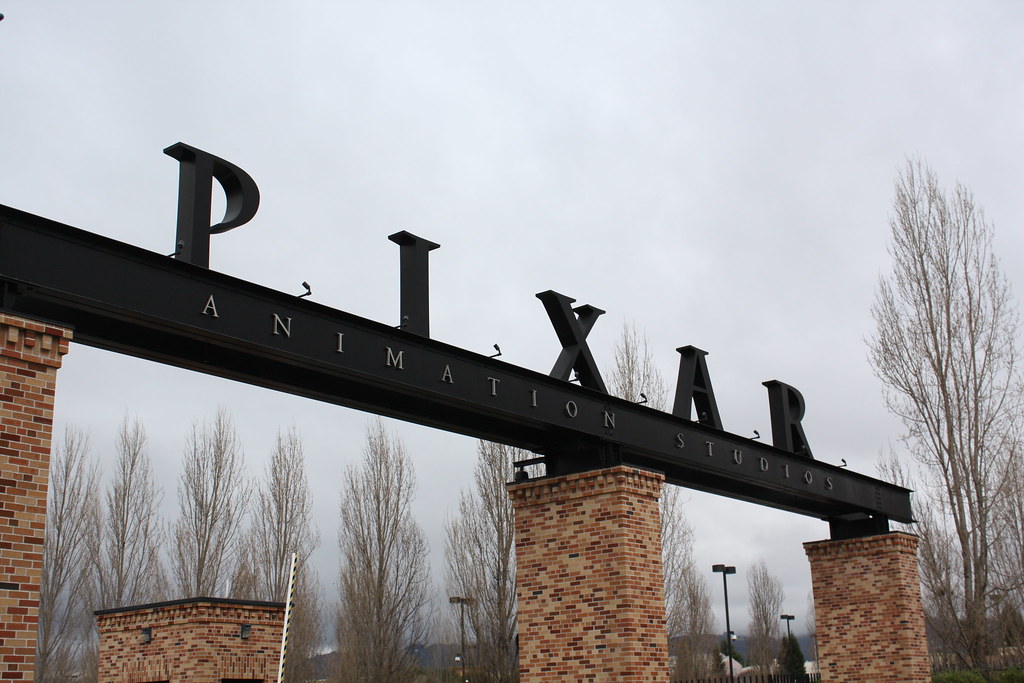
A talking toy or a forgetful fish may seem like a simple piece of movie magic. However, bringing these characters to life requires art, mathematics and computer science. An exhibition at Frost Science in Miami invites visitors to discover how this happens. The Science Behind Pixar opened on October 10, 2026, and is scheduled to continue until April 11, 2027. Created by the Museum of Science, Boston, in collaboration with Pixar Animation Studios, it features more than 50 interactive experiences. Visitors explore eight stages of film production and learn how artists and computer scientists work together. Familiar films, including Toy Story and Finding Nemo, help explain the process. Activities and accounts from production teams offer a closer look at the skills behind the stories.
Making an animated film involves much more than drawing a character. Artists build digital models, while special controls allow those models to move. Animators choose poses to communicate actions and emotions. Computer programs can also simulate moving hair or water, helping an imaginary world feel believable. Lighting guides the audience’s attention and helps create the mood of a scene. Finally, a process called rendering turns a virtual three-dimensional scene into a flat image for the screen. The exhibition gives visitors opportunities to experiment with ideas used in filmmaking. It also offers a useful reminder: creativity and technical knowledge can support each other. For students who enjoy both drawing and solving problems, animation provides an exciting example of how different interests can come together.
—
Chat
Talk about these words from the article.
characters / mathematics / exhibition / collaboration / interactive / production / digital models / animators / poses / emotions / simulate / believable / lighting / rendering / creativity
—
Discussion
What animated film do you enjoy most, and why?
Which animated character would you like to meet, and what would you ask them?
What makes an imaginary character feel real to you?
Which part of making an animated film would you most like to try?
How can lighting change the feeling of a scene?
What could students learn from an interactive exhibition like this?
When have you used creativity and technical skills together?
If you could create an animated film, what would its story be about?