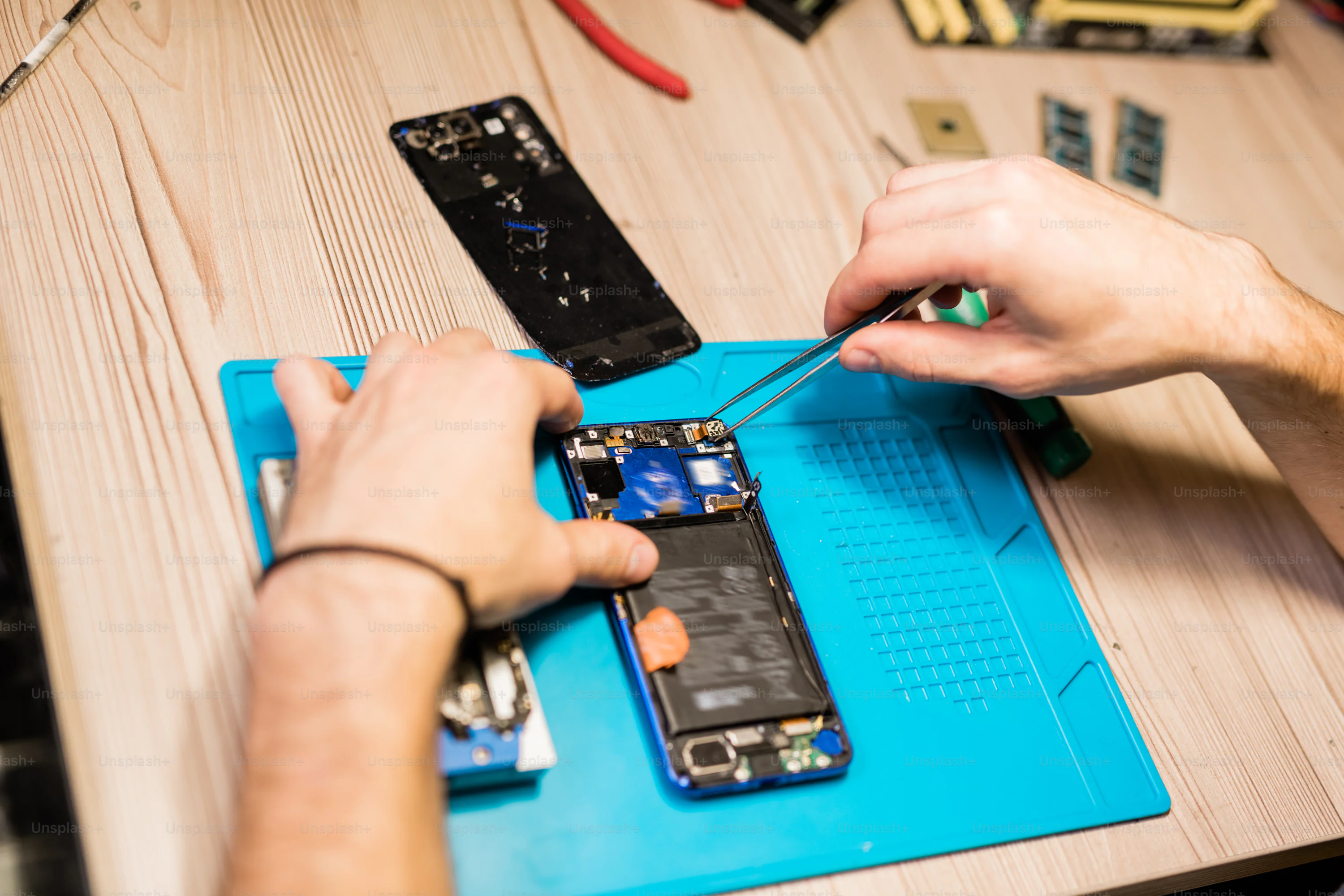
Europe Seeks Easier Product Repairs
A broken appliance does not always need to become rubbish. However, repairing it can be difficult when spare parts are unavailable or instructions are hard to find. On November 3, the European Commission opened a public consultation on making products easier to repair. It is asking consumers, businesses and repair workers to share their experiences and suggest improvements. Topics include access to parts, repair information and designs that are easier to take apart and put back together. Some small household appliances, electronic devices and electric bicycles could be covered by future requirements. The exact product groups have not been confirmed. Feedback can be submitted until February 9, 2027. This is a step toward possible new rules, rather than a completed change.
The idea raises a practical question for shoppers: when is a repair worth paying for? Replacing one small part may seem sensible, but the total bill could approach the price of a new product. Waiting for parts can also be inconvenient. Easier repairs could give owners more choice and help them keep useful items for longer. However, manufacturers would need to consider how to supply parts and support repairs over time. A repair score shown before purchase might help customers compare products, alongside price and appearance. Yet clear information alone would not solve every problem. People would still need affordable services and reliable repair workers nearby. The consultation invites discussion about what should change, who should pay and how much longer everyday products could reasonably last.
—
Chat
Talk about these words from the article.
appliance / rubbish / spare parts / unavailable / instructions / public consultation / consumers / take apart / requirements / feedback / sensible / inconvenient / manufacturers / repair score / affordable
—
Discussion
What was the last item you repaired, and how did the experience go?
How do you decide whether to repair or replace something?
What problems have you faced when looking for spare parts or repair services?
How long should manufacturers keep spare parts available?
How would a repair score affect your shopping decisions?
Who should pay the extra costs of making products easier to repair?
What repair skills would you like to learn?
What would encourage people to keep their products for longer?